Illustrate a concept
A diagram, in this house, is a combination of attractive 2D or 3D forms that illustrates a concept before any word is read. It is not the engineer's box-and-arrow figure: it is composition, material and light saying the idea.
Method: skill concept-diagrams. Engine research: image models for skills.
The two banks, combinable
Every diagram is one pick from each bank: a structure that says the concept, dressed in a material that gives it beauty. The banks are open: every approved diagram adds its pair. There may be many other subjects; this is the start.
Materials: what it is made of
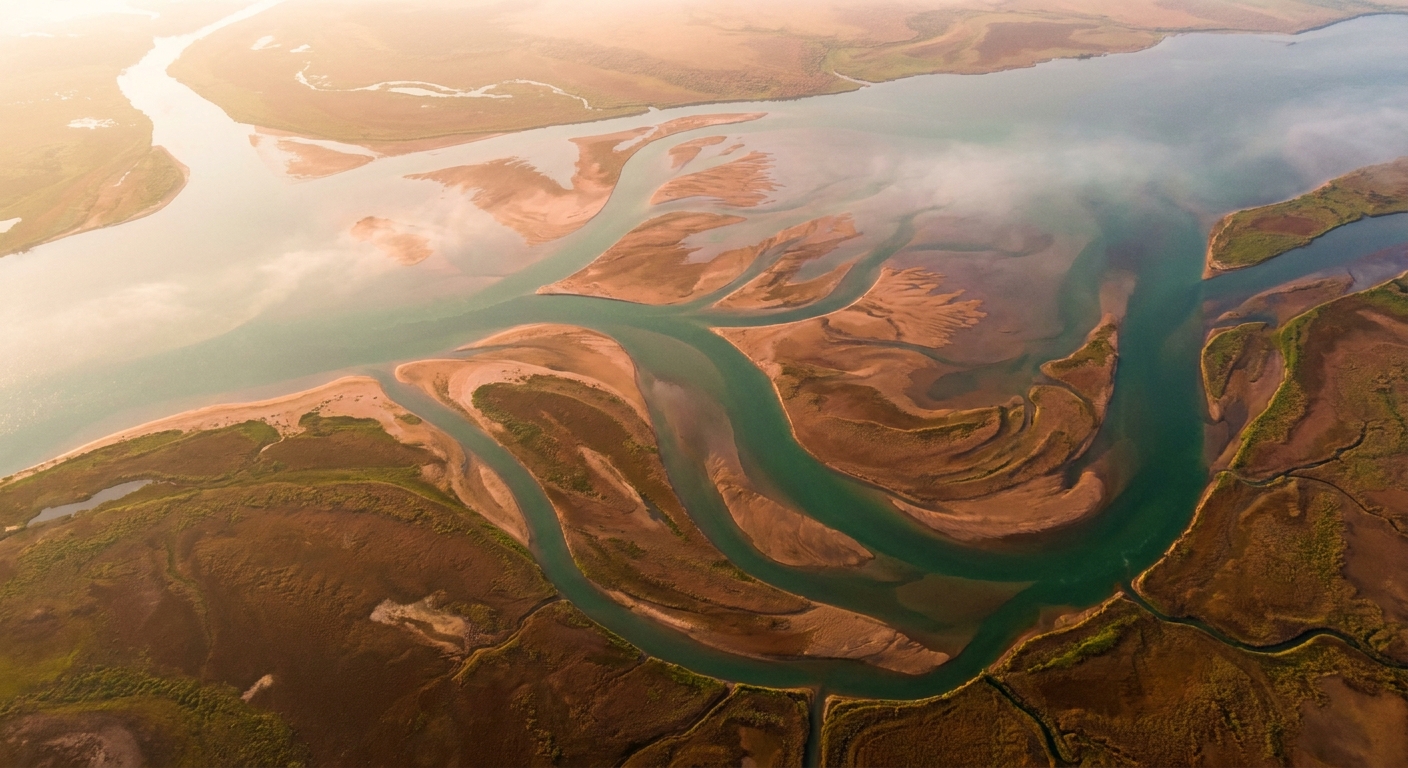
A material can be photoreal (the Earth, a delta) or crafted (clay, paper). Both are welcome; childish is not.
Structures: how the forms say it
The structure is the argument: pick the one whose geometry IS the concept.
The founding examples
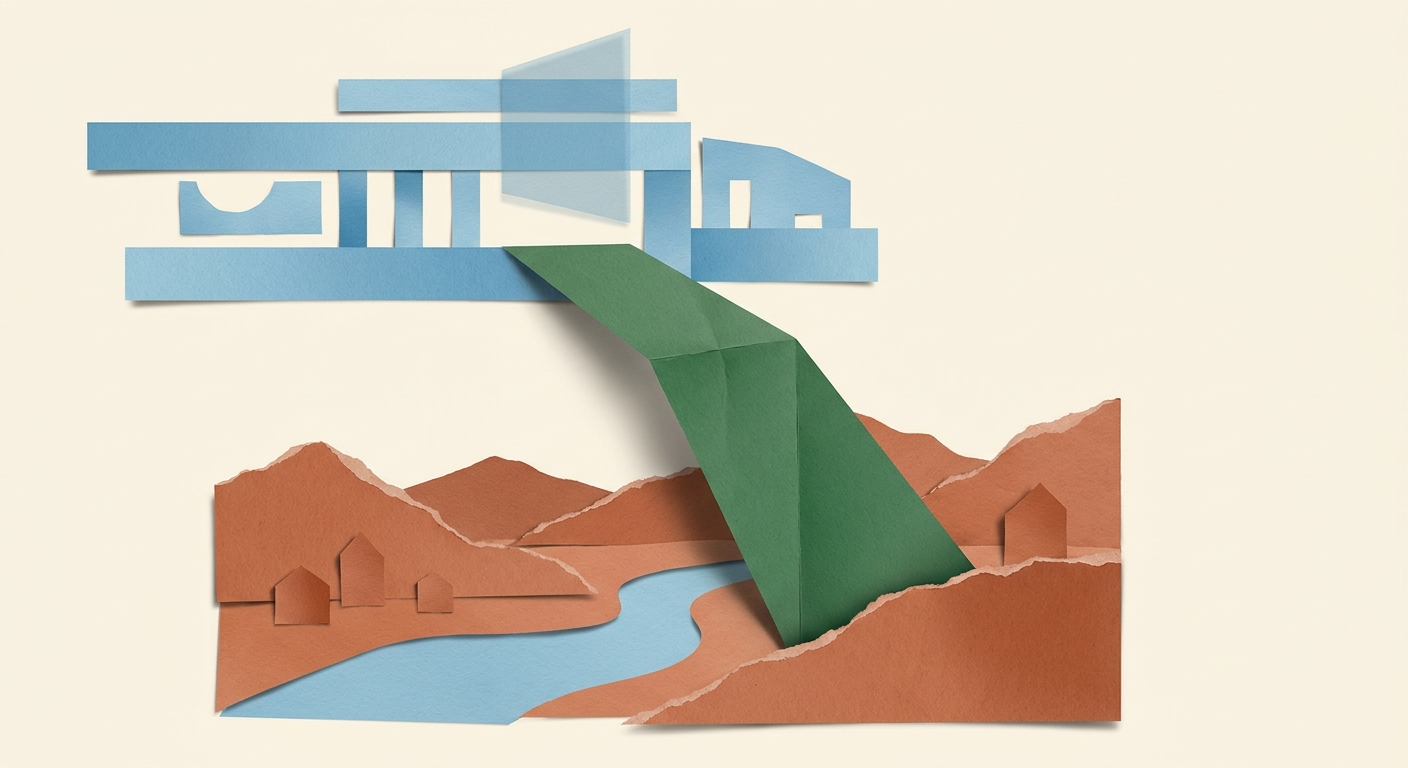
Eight studies made on day one, all with the cheap default engine, centimes in total. The first three play the same concept (an institutional world above, a living territory below, one new bridge) in three materials; the other five each play a different concept. No image carries a single word: real text always sits on the page, above.
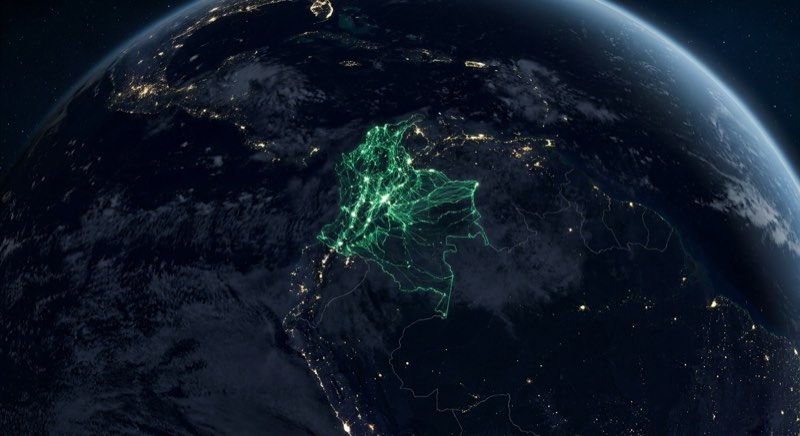

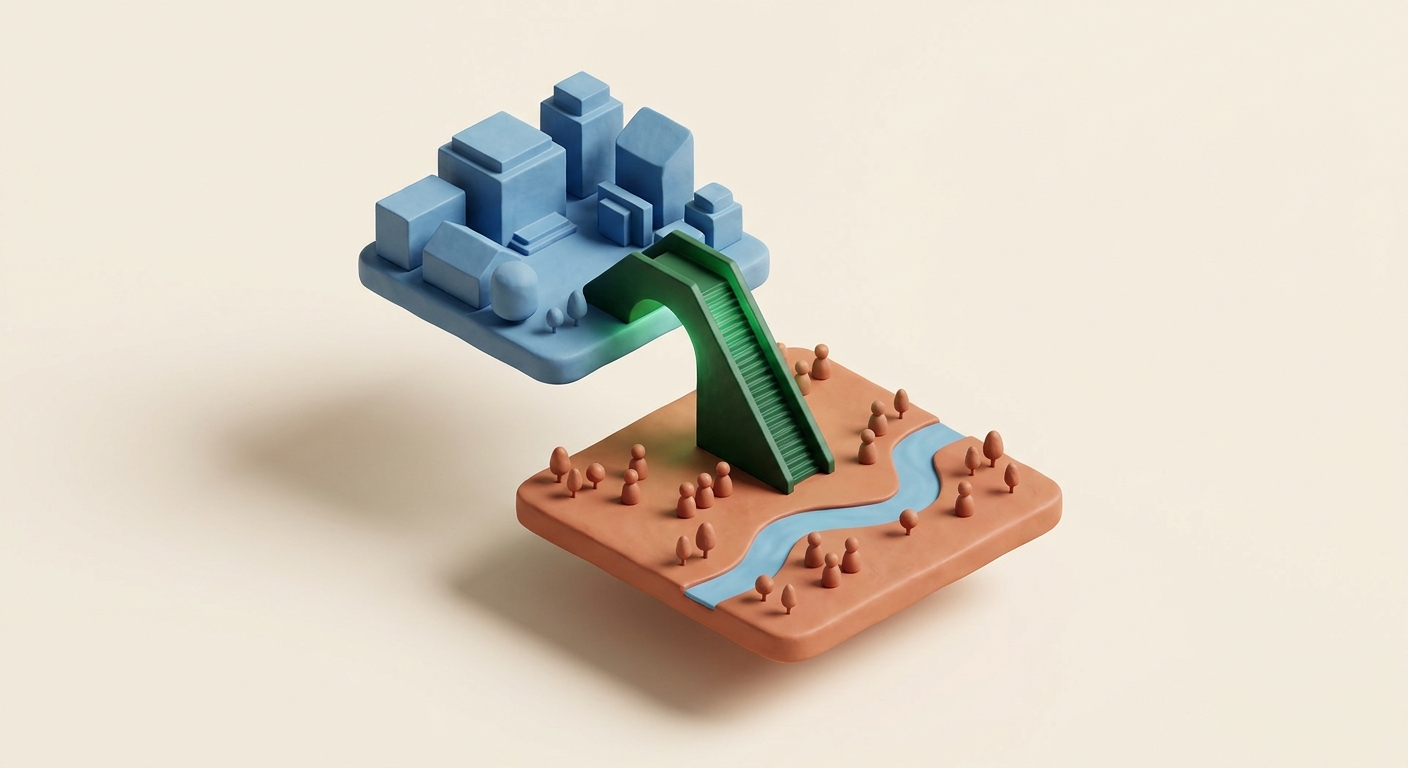
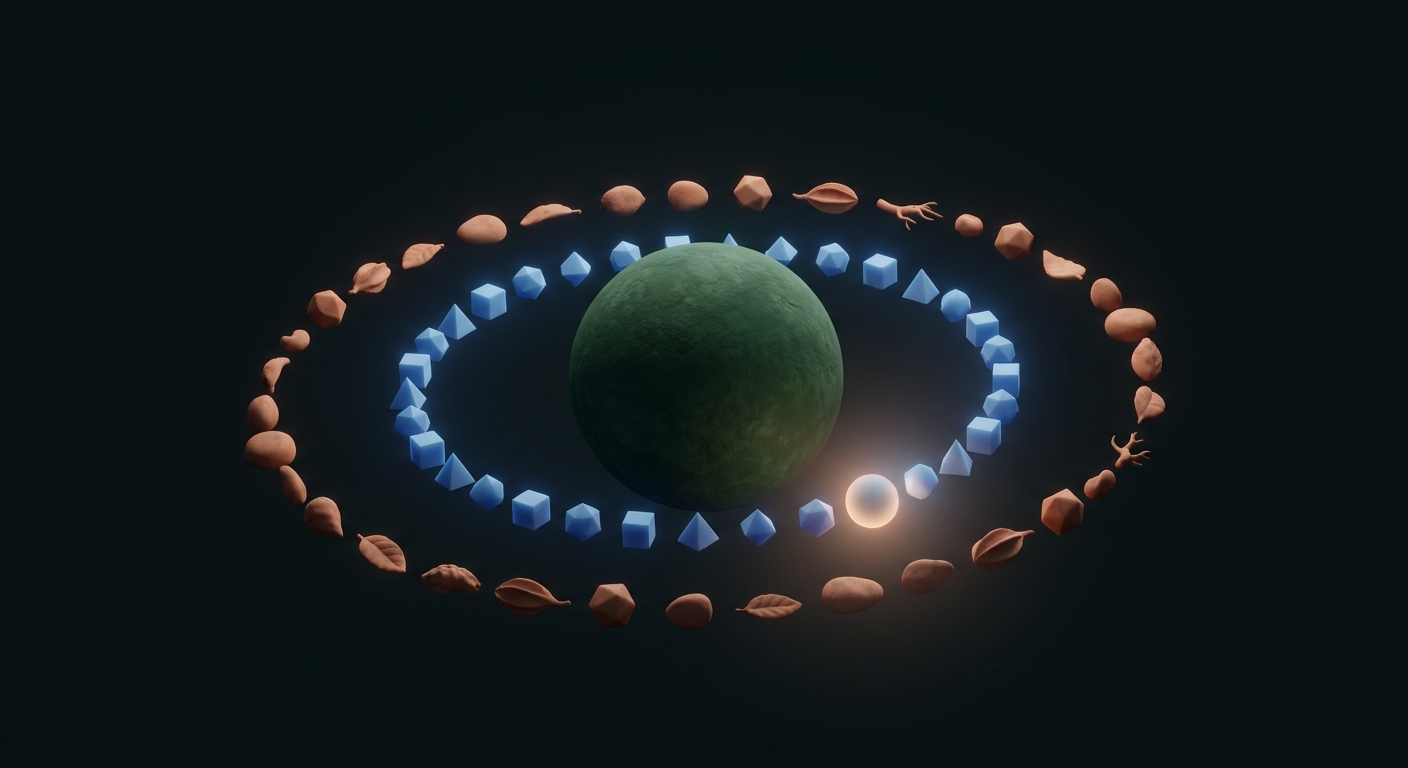
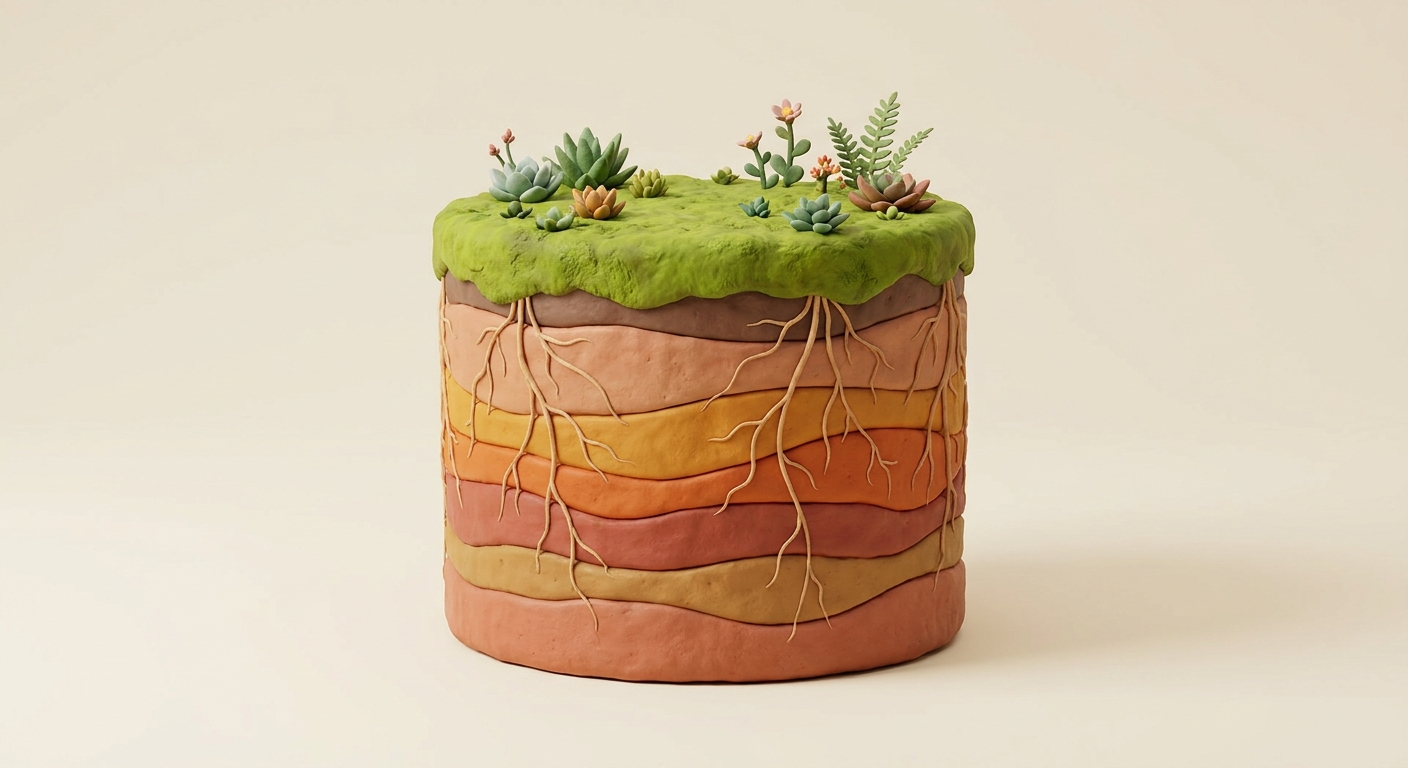

The four ways to draw one
One family, four recipes. The picture under each is a real thing it made.
concept-diagrams
Say: illustrate this conceptThe house kind, above: forms that carry an idea before a word is read. Made with the cheap image engines, the text laid over the picture afterwards, never inside it.
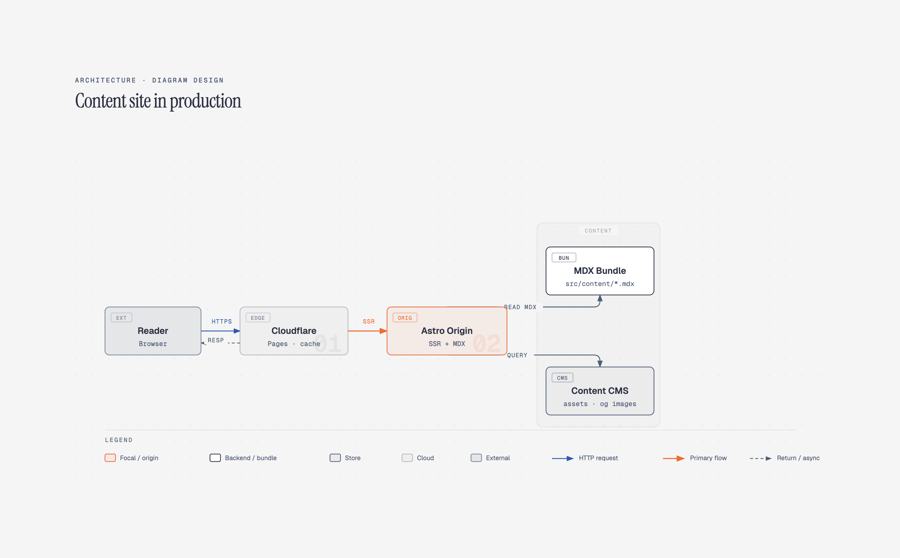
diagram-design
Say: draw the architecture of thisThe engineer kind, twenty-seven sorts: architecture, flow, sequence, timeline, quadrant. One self-contained page, one ink, one accent.
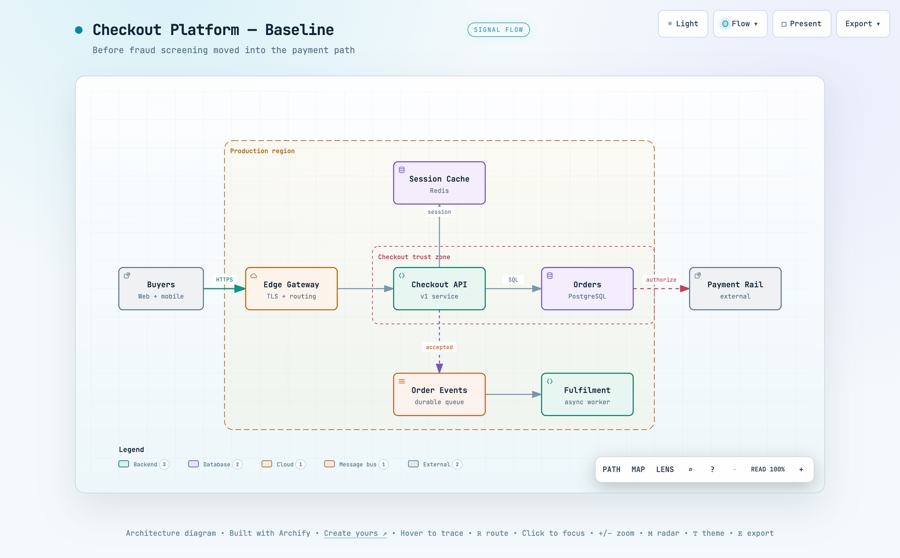
archify
Say: a map I can explore, checked against the codeThe same subjects, but the reader hovers to trace a route and the map can be checked against a real repository. It can move, and it exports a picture or a film.
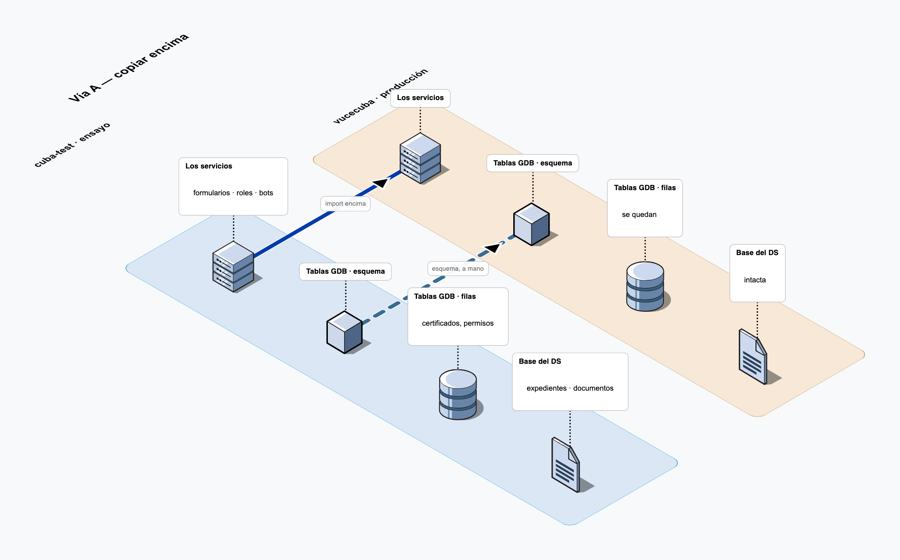
FossFLOW
Say: the isometric boardMachines, stores and documents as blocks seen from the corner, with a built-in icon set. Driven headlessly to a picture, so it lands in a page or a slide.
Looked at and refused, so nobody proposes them again. The whiteboard helpers (Miro, FigJam, Lucid) and the slide-visual makers need a human at the mouse, which fails the one test the studio applies: we must drive it end to end. arch-flows-visualizer makes the same self-contained page as the two above from five commits and no real licence. Datadef is the only one worth remembering: it exposes a machine interface and puts real product icons on an architecture, so it is a candidate the day a page needs vendor icons that FossFLOW does not carry.
The recipe
- Say the concept in one sentence. If you cannot, no image will.
- Pick the structure whose geometry is the argument (a network for connection, layers for accumulation, a bridge for two worlds).
- Pick the material that dresses it with the right dignity for the audience and page.
- Generate with the default engine; the prompt always ends with the no-text law. Several candidates cost centimes.
- Judge before showing. Open the image yourself; discard the weak; regenerate. Frank never sees a first draft you would not defend.
- Render in context. For a page that matters: three directions inside the real page, one recommendation marked.
- Real text on top. Labels, titles and numbers live in HTML/SVG above the image, never inside it.
- After the verdict, grow the banks. An approved diagram adds its material and structure here.
Engines and cost
| Engine | Use it for | Cost | State |
|---|---|---|---|
| Gemini image API (gemini-3-pro-image) | The default: every study on this page. Photoreal and crafted materials both. | Fractions of a centime per image | Live, key in the keys file, proven pattern in the skill |
| GPT Image 2 (OpenAI API) | Complex compositions; keeping one style across a family of pages (16 reference images + mask editing) | ~$0.05 per image, pay as you go | Waiting for top-up |
| Recraft V4.1 | Editable vector SVG shapes; a trainable house style | $0.08–0.30 per vector | Waiting for top-up |
| FLUX.2 on RunPod | Batches and upscales at open-model prices | ~1.3 centimes per job | Live in the video toolkit |
The laws
- No text inside the image, ever. Words are typed on the page, in the page's fonts, linkable and accessible.
- Never childish. Simple and deep, per the Teletubbies principle; dignity is not negotiable.
- The palette follows the destination page, not the other way around.
- Judge before showing; show three when it matters.
- This page owns the vocabulary; the skill owns the method. Sessions read this page before making a diagram.